Manufacturing defects arise during log handling, sawing, chipping, or surfacing. The following descriptions identify defects by their visible characteristics, typical causes, and effects on finished lumber. Acceptance depends on defect severity, the intended use, and the applicable grading rules.
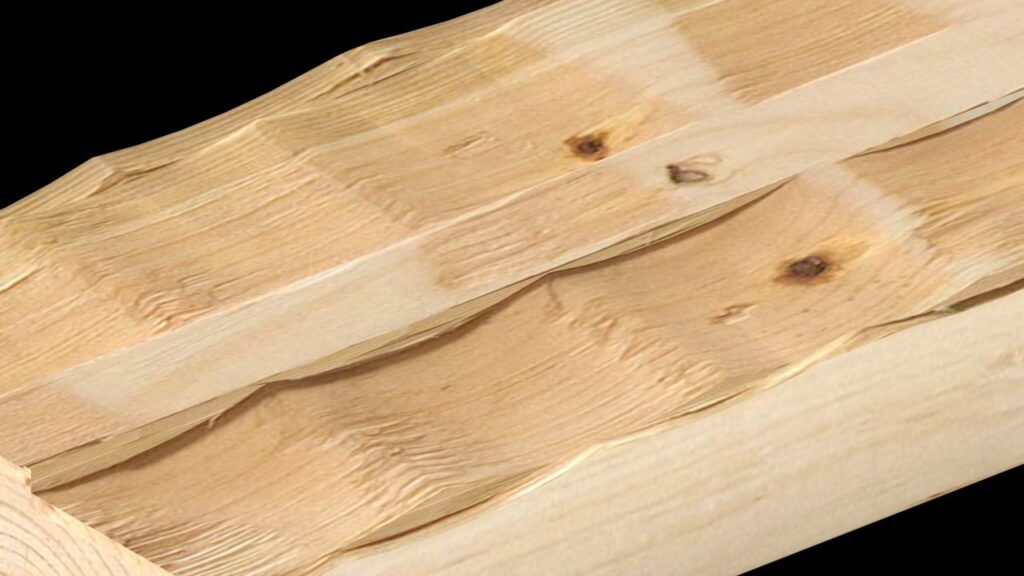
Canter Head Scallop
A longitudinal channel or scalloped depression cut below the intended surface along one or both edges of a piece during canter or chipper processing. Misaligned or incorrectly set chipper knives can remove excess wood and leave a recessed profile that may remain after subsequent sawing or planing. The defect reduces the local cross section and may prevent the edge from meeting finished dimensions or fitting tightly against an adjoining piece.
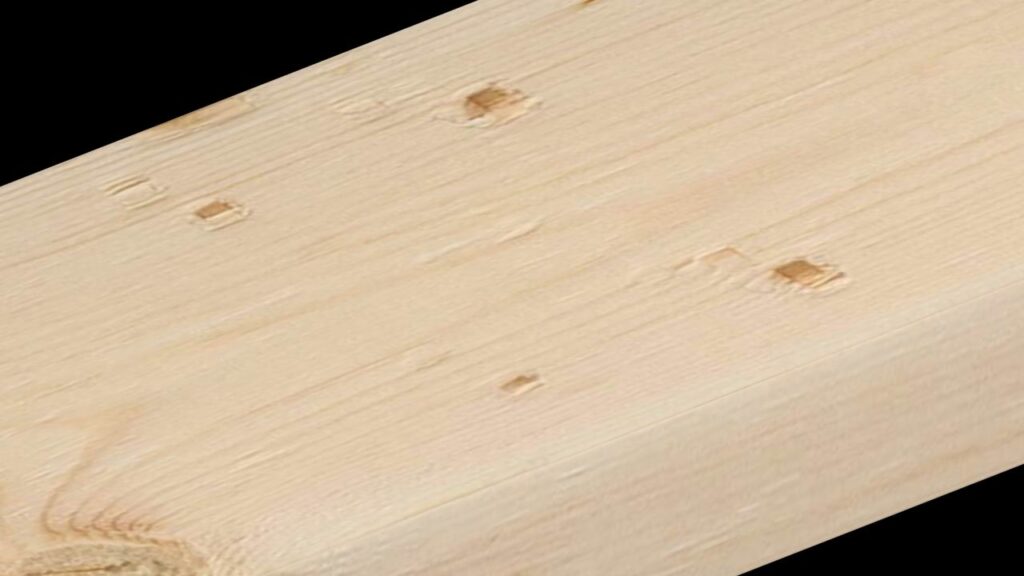
Dog Holes
Localized punctures, indentations, or gouges produced by mechanical gripping or handling equipment during log, cant, or board processing. Dogs, tongs, turners, and picaroons can penetrate, crush, or tear the wood fibres, leaving isolated holes or repeated handling marks. Their significance depends on depth, size, location, and any associated splitting. Shallow marks mainly affect appearance; deeper damage can reduce usable section or require trimming.
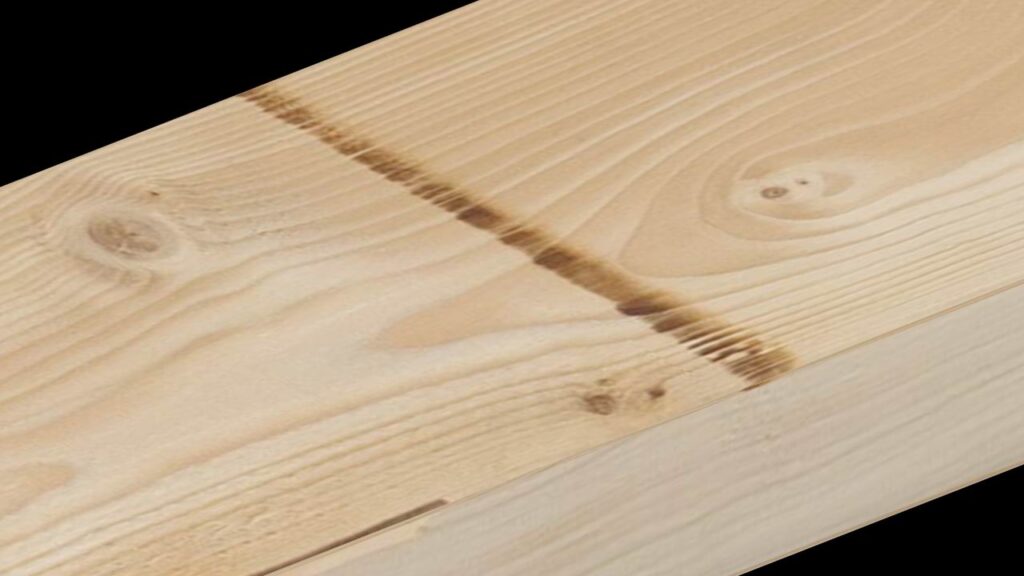
Machine Burn
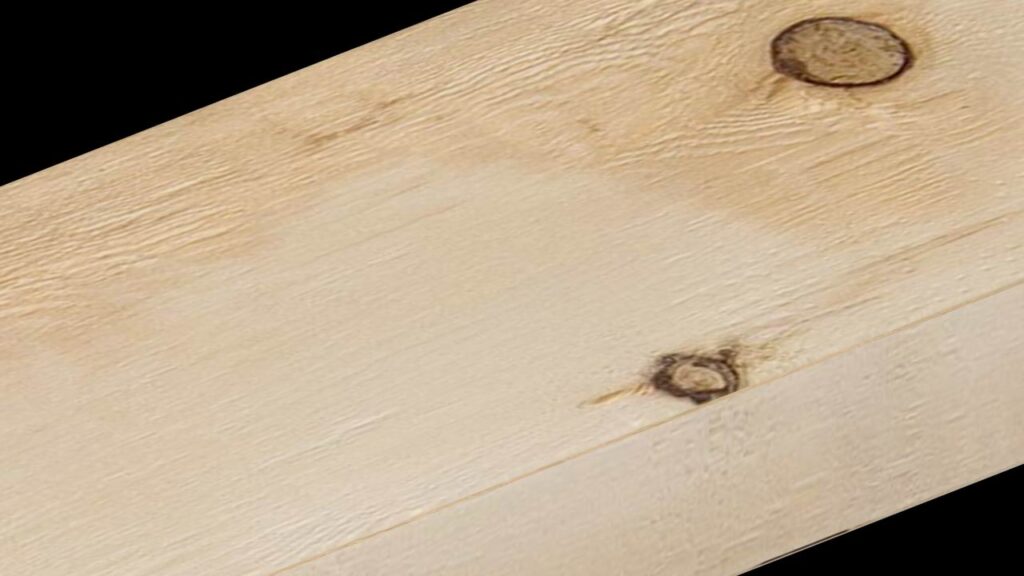
A localized darkened or scorched area caused by overheating where machine knives or rotating rolls contact the wood. It commonly develops when the feed stops or is interrupted while a rotating component continues to rub the same area. Colour may range from brown discoloration to black scorching. The defect affects surface appearance, and removal may require further surfacing if sufficient machining allowance remains.
Planer Scallop or Gouge
A curved depression or groove cut into the face or edge of lumber by planer knives. Scallops are regularly spaced shallow hollows produced by the rotating cutterhead; they become more pronounced when the feed speed is excessive relative to cutterhead speed or when knives project unevenly. A gouge is a deeper cut below the intended finished surface and may result from incorrect knife settings or movement of the piece during planing. These defects affect surface smoothness and may require additional machining, provided sufficient material remains to maintain the required finished dimensions.
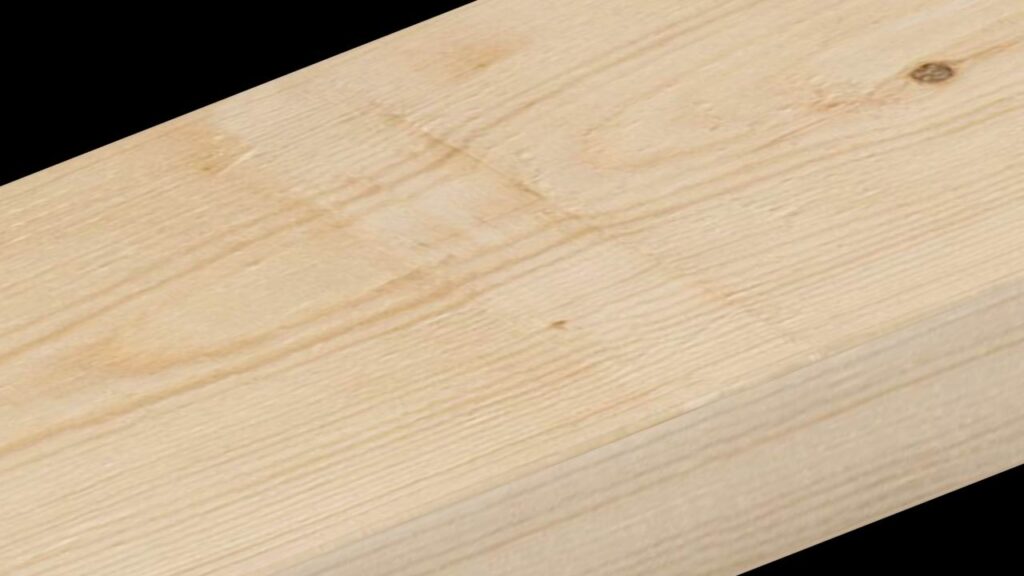
Raised Grain
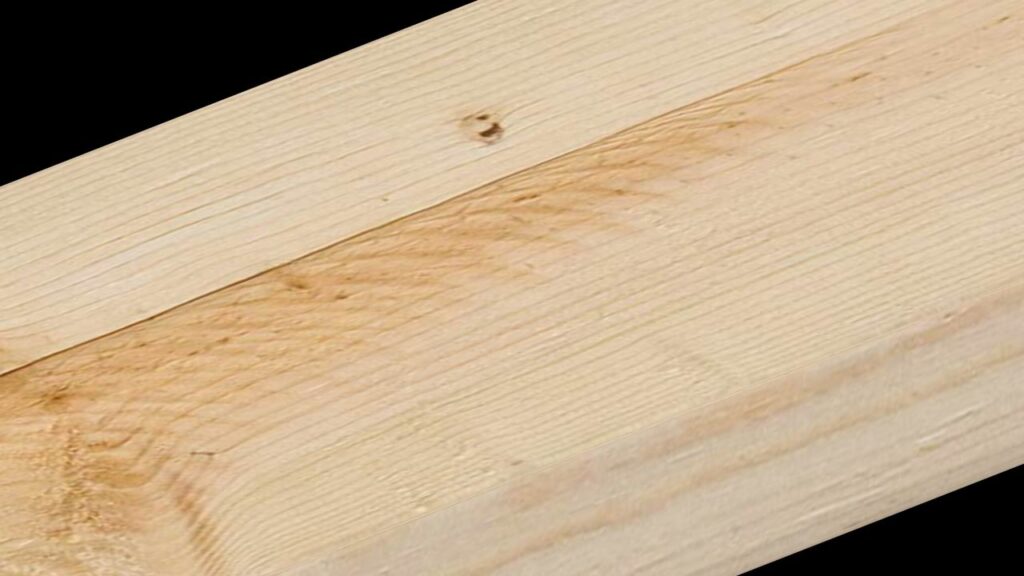
An uneven surface on dressed lumber in which denser latewood, traditionally called summerwood, stands above the softer earlywood or springwood without separating from it. Machining pressure can compress the softer tissue, which may later recover as moisture conditions change. Dull planer knives, excessive knife jointing land, insufficient clearance angle, and excessive feed roll pressure can contribute. The resulting ridges follow the growth ring pattern and interfere with a smooth surface finish.
Saw Step
A longitudinal ledge or channel on a sawn face where adjacent cutting paths fail to meet in the same plane. In a double arbor gang saw, this commonly results from misalignment between opposing upper and lower saws. The offset leaves portions of the face at different levels. Subsequent planing may remove the higher portion while leaving rough wood in the recessed portion, producing skip if there is insufficient stock to clean up the entire face.
Skip
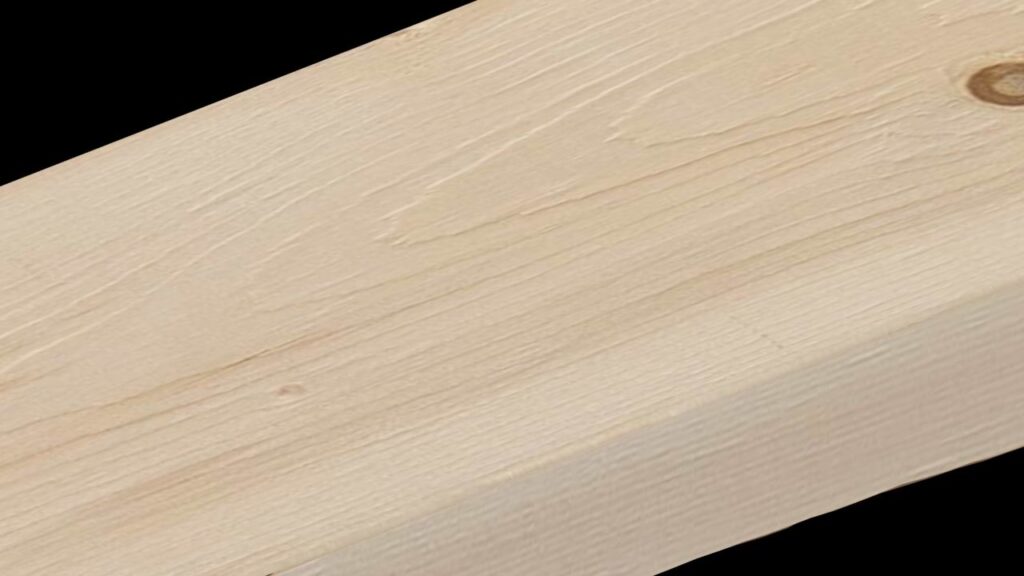
An area on the face or edge of dressed lumber that remains wholly or partly rough because the planer knives did not remove enough material to produce a clean surface. Skip commonly occurs where the rough piece is locally undersized or uneven because of sawing variation; warp or inadequate machining allowance can also contribute. It may appear as isolated patches, alternating rough and surfaced areas, or a continuous rough strip. Skip describes incomplete surfacing rather than wood torn out by the knives.
Torn Grain
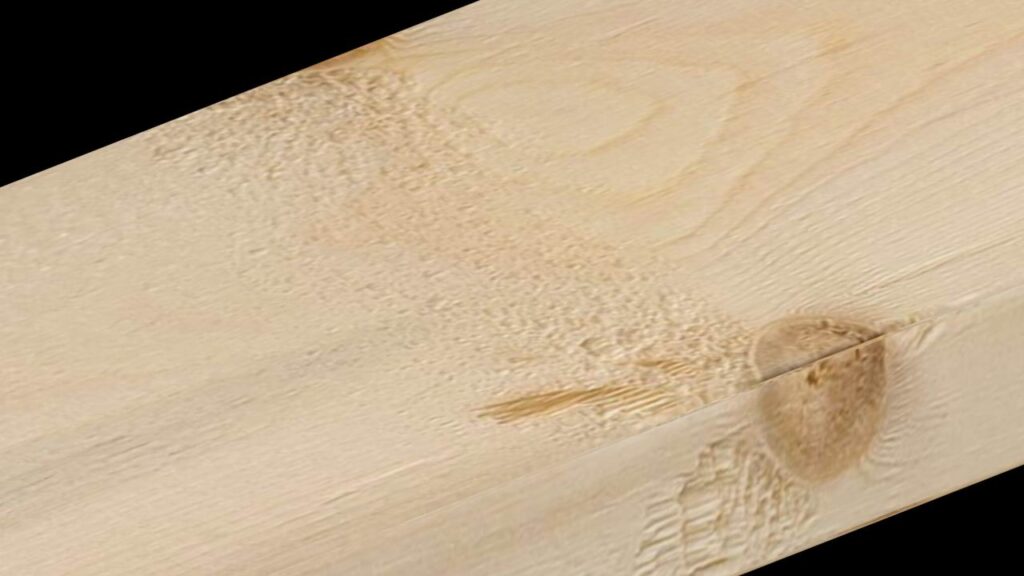
An irregular depression in a dressed surface where wood fibres or small fragments have been pulled or broken out below the intended cutting plane. It commonly occurs around knots or in sloping, interlocked, or reversing grain where knives cut against the grain. Dull knives, unsuitable cutting geometry, excessive material removal per knife, and incorrect chip breaker settings can increase tearing. The defect leaves rough cavities that can remain visible after finishing and may require additional stock removal to eliminate.
Technical references
National Lumber Grades Authority. Standard Grading Rules for Canadian Lumber, 2025, paragraph 720. Definitions of raised grain, skip, torn grain, and machine burn. View source