Planers & Molders | Lumber Finishing Equipment for Planermills
Select below to view video or information on planers and molders. See how this equipment can improve recovery and productivity. Compare types of planing systems.
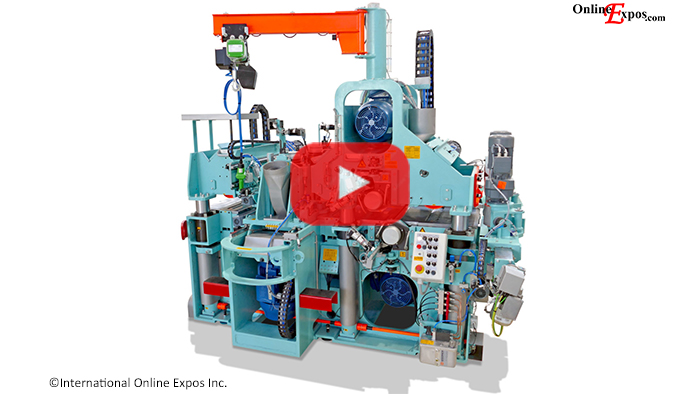
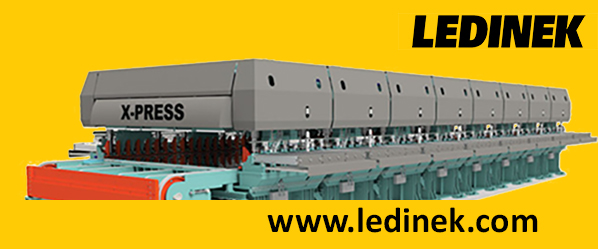
Video of Ledinek planer for a variety of production processes, wet or dry timber, laminations, moldings, profiling beams, splitting or just planing and chamfering. See data sheet for detailed information.
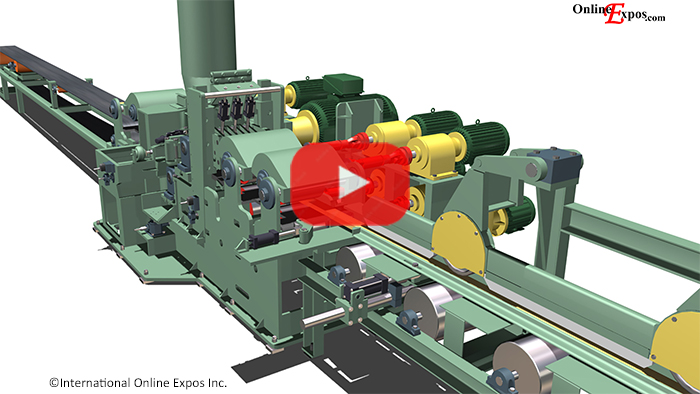
High Speed Electric Planer combines the latest advances in planing technology to provide excellent lumber finish at feed-speeds exceeding 2000 FPM. All-electric VFD drives.
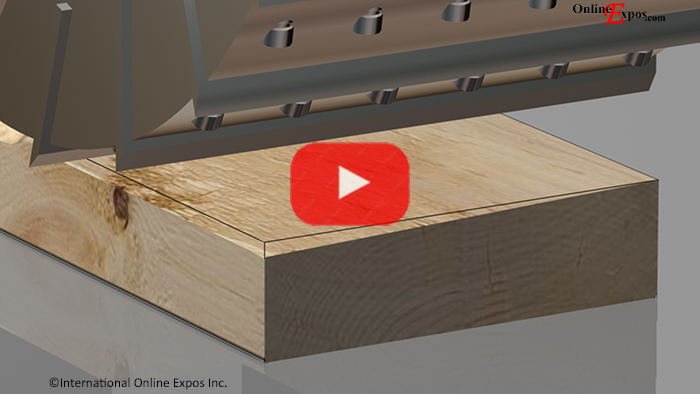
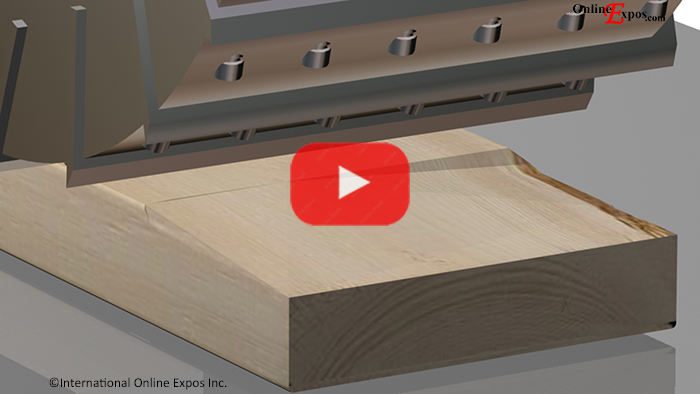
Planer misalignment occurs when the cutterhead is not fully square to the board. In this animation, the cutterhead is tilted at a slight angle, and this causes the lumber to be improperly cut. The transparent area shows the amount of misalignment.
The planer rotating cutterhead knives create scallops on the planed board. The depth of the scallop is dependent on the feed speed of the wood, the rotational speed of the planer cutterhead, and the number of cutterhead knives.
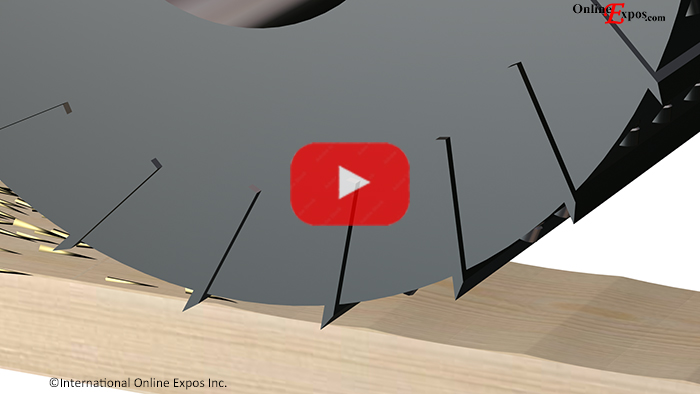
When the lumber is held down improperly by the shoe, the rotating cutterhead knives will force the board up as it cuts into the lumber. This creates a deeper cut, called a snipe cut, at the beginning of the board.
Functional Description
Planers and molders are high-production woodworking machines used to accurately size, surface, and profile lumber products for construction, remanufacturing, and value-added wood processing applications.
Modern planers and molders often utilize computerized controls, servo positioning systems, and automated tooling setups to improve accuracy, reduce changeover times, and increase production efficiency. Advanced scanning and optimization systems may also be integrated to maximize lumber recovery, minimize defects, and improve finished product quality.
These machines play a critical role in converting rough-sawn lumber into dimensionally accurate, value-added wood products ready for construction, manufacturing, and architectural applications. Their ability to combine high throughput with precision machining makes them essential equipment in modern sawmills, remanufacturing plants, and secondary wood processing facilities.
Key components of planer and molder systems typically include:
Infeed and outfeed material handling systems
Precision feed roll assemblies
High-speed cutterheads and tooling
Variable-speed feed drives
Dust collection and chip extraction systems
Automatic thickness and width controls
Tool-setting and profile management systems
Planers:
A planer is designed to reduce lumber to a specified thickness while producing a smooth, uniform surface. In sawmills, planers are commonly installed after kiln drying to remove surface imperfections, correct dimensional variations, and produce finished lumber that meets industry grade and size requirements. Material is fed through the machine by powered feed rolls while rotating cutterheads remove precise amounts of wood from one or more faces. Modern planers can process lumber at speeds exceeding 2,000 feet per minute while maintaining tight dimensional tolerances.
Molders
A molder performs a similar surfacing function but incorporates multiple cutterheads positioned around the workpiece to create custom profiles and finished shapes. Typical molder configurations include top, bottom, left, and right cutterheads, with additional heads available for complex profile production. Molders are used to manufacture products such as flooring, siding, paneling, trim, moldings, decking, and engineered wood components.
Industries Served by Online Expos/Solid Wood/Planers & Molders:
The Planers & Molders section of Online Expos serves the solid wood sector (planermills, remanufacturing, mass timber, cross laminated timber [CLT]).
Types of Wood Products Equipment and Resources Available to View on Online Expos: